Are you looking for a Lock Screen Wallpaper Prompt to create a stylish and unique wallpaper for your smartphone? With AI image generators like Google Gemini, ChatGPT, and other AI tools, you can easily transform your ideas into beautiful lock screen wallpapers. In this article, you will find trending AI lock screen wallpaper prompts that you can use to create HD and 4K wallpapers for your mobile phone. Whether you like aesthetic wallpapers, cinematic backgrounds, luxury styles, or personalized wallpapers, these prompts will help you create amazing results.
What Is a Lock Screen Wallpaper Prompt?
A Lock Screen Wallpaper Prompt is a text instruction that you give to an AI image generator to create a specific wallpaper. You can describe the colors, background, lighting, style, and overall design you want. For example, you can create a cinematic wallpaper with your name, a luxury car wallpaper, a dark aesthetic background, or a nature-inspired lock screen wallpaper.
The best part is that you don’t need advanced photo editing skills. Simply enter the prompt into an AI image generator and create your wallpaper.
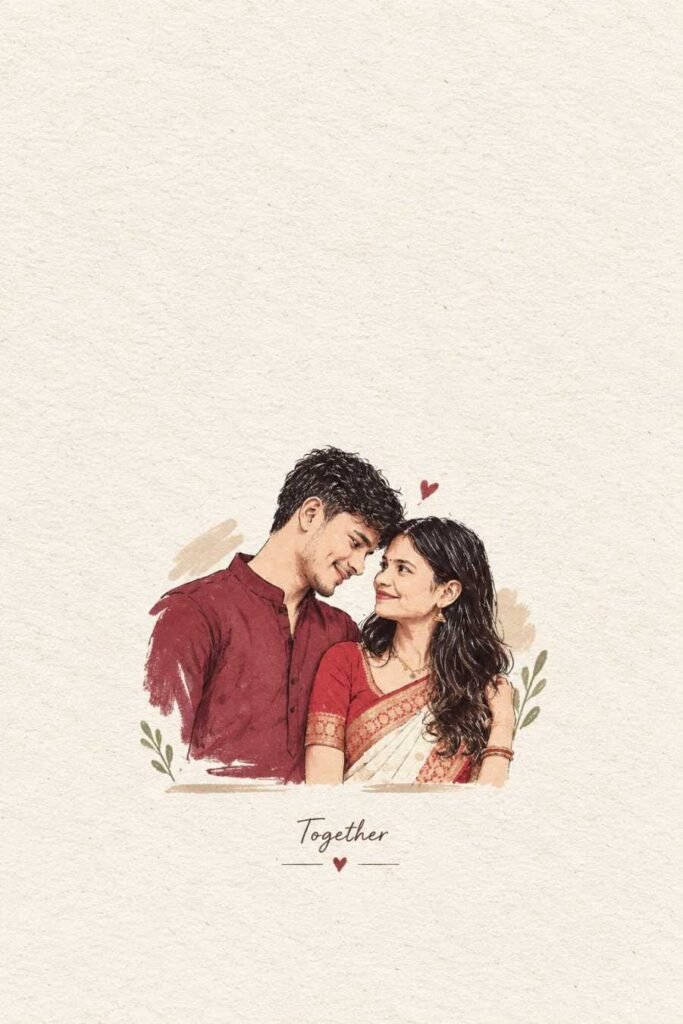
Extract the most recognizable visual elements from the original photograph and reinterpret them as a minimalist hand-drawn paper-cover illustration. Preserve: The most recognizable subject Essential silhouette and proportions Key pose or gesture Important objects The core narrative relationship between people and objects Highly simplify the image. Remove unnecessary details and retain only the visual information needed for immediate recognition. Use: Delicate, slightly imperfect hand-drawn lines A small number of bold, clearly defined acrylic-style flat color shapes Rough paper texture Visible handmade brush marks Slightly irregular, organic edges Subtle imperfections that make it feel genuinely handmade The main illustrated subject should be small, centered, and carefully composed, occupying approximately 10–20% of the bottom half. Leave a large amount of negative space around the illustration. The background should primarily resemble: Rough white paper Warm off-white paper Pale natural paper Minimal editorial book-cover stock Use only a few lines or small color shapes to suggest the surrounding environment. COLOR PALETTE Extract the dominant colors directly from the original photograph. Compress the palette into no more than 4 main colors. Keep the colors restrained, sophisticated, and harmonious. Use bold but controlled flat color blocks. Avoid excessive color variation. Preserve subtle paper grain and handmade brush texture. The illustration should visually feel like a simplified color interpretation of the photograph. TYPOGRAPHY A small amount of simple typography may be included when appropriate. Possible elements: A short title Keyword Object name Location Year Number Short phrase Text should be minimal, understated, and editorial. Typography should naturally interact with the large areas of negative space and the small illustration, evoking: Art book covers Independent publishing Contemporary editorial design Thoughtful children’s picture books Do not force text into the composition if it does not naturally fit the photograph. VISUAL LANGUAGE The final poster should feel: Quiet · Poetic · Refined · Minimal · Innocent · Relaxed · Artistic · Thoughtful · High-recognition · Premium The visual concept should be: “A small subject surrounded by a large amount of empty space.” The result should resemble a carefully designed independent art publication cover, rather than a commercial advertisement. AVOID Do not use: Colored-pencil aesthetics Crayon textures Bleeding watercolor Pure line-art illustration Complex realistic illustration Heavy oil-painting effects Smooth polished digital illustration 3D rendering Glossy 3D textures Commercial cartoon aesthetics Cute commercial character design E-commerce advertising aesthetics Generic poster templates Excessive decorative elements Busy compositions Excessive typography
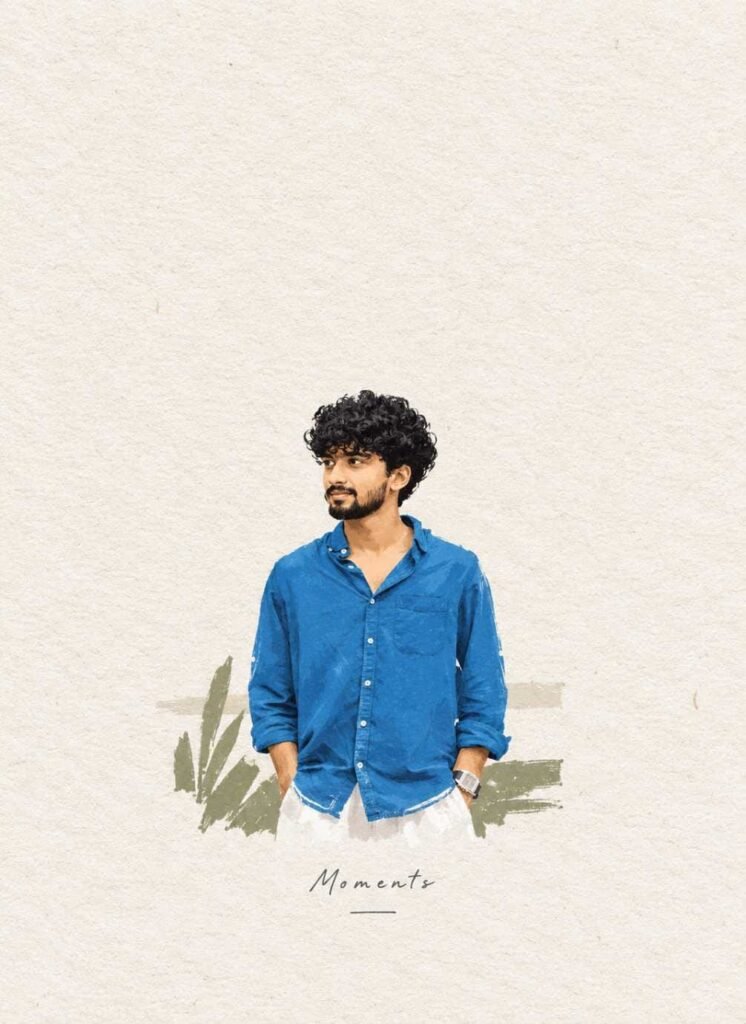
Extract the most recognizable visual elements from the original photograph and reinterpret them as a minimalist hand-drawn paper-cover illustration. Preserve: The most recognizable subject Essential silhouette and proportions Key pose or gesture Important objects The core narrative relationship between people and objects Highly simplify the image. Remove unnecessary details and retain only the visual information needed for immediate recognition. Use: Delicate, slightly imperfect hand-drawn lines A small number of bold, clearly defined acrylic-style flat color shapes Rough paper texture Visible handmade brush marks Slightly irregular, organic edges Subtle imperfections that make it feel genuinely handmade The main illustrated subject should be small, centered, and carefully composed, occupying approximately 10–20% of the bottom half. Leave a large amount of negative space around the illustration. The background should primarily resemble: Rough white paper Warm off-white paper Pale natural paper Minimal editorial book-cover stock Use only a few lines or small color shapes to suggest the surrounding environment. COLOR PALETTE Extract the dominant colors directly from the original photograph. Compress the palette into no more than 4 main colors. Keep the colors restrained, sophisticated, and harmonious. Use bold but controlled flat color blocks. Avoid excessive color variation. Preserve subtle paper grain and handmade brush texture. The illustration should visually feel like a simplified color interpretation of the photograph. TYPOGRAPHY A small amount of simple typography may be included when appropriate. Possible elements: A short title Keyword Object name Location Year Number Short phrase Text should be minimal, understated, and editorial. Typography should naturally interact with the large areas of negative space and the small illustration, evoking: Art book covers Independent publishing Contemporary editorial design Thoughtful children’s picture books Do not force text into the composition if it does not naturally fit the photograph. VISUAL LANGUAGE The final poster should feel: Quiet · Poetic · Refined · Minimal · Innocent · Relaxed · Artistic · Thoughtful · High-recognition · Premium The visual concept should be: “A small subject surrounded by a large amount of empty space.” The result should resemble a carefully designed independent art publication cover, rather than a commercial advertisement. AVOID Do not use: Colored-pencil aesthetics Crayon textures Bleeding watercolor Pure line-art illustration Complex realistic illustration Heavy oil-painting effects Smooth polished digital illustration 3D rendering Glossy 3D textures Commercial cartoon aesthetics Cute commercial character design E-commerce advertising aesthetics Generic poster templates Excessive decorative elements Busy compositions Excessive typography
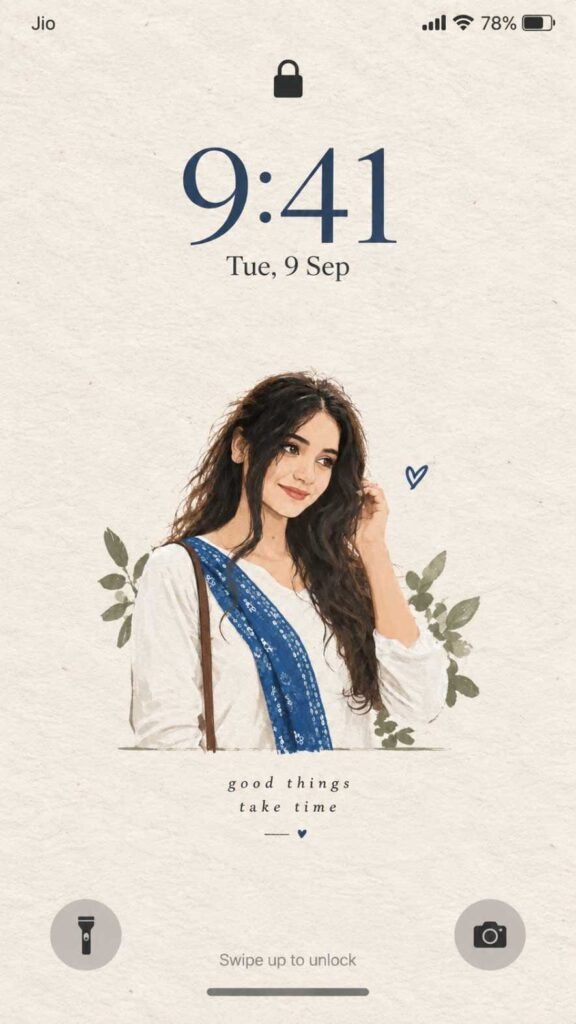
Extract the most recognizable visual elements from the original photograph and reinterpret them as a minimalist hand-drawn paper-cover illustration. Preserve: The most recognizable subject Essential silhouette and proportions Key pose or gesture Important objects The core narrative relationship between people and objects Highly simplify the image. Remove unnecessary details and retain only the visual information needed for immediate recognition. Use: Delicate, slightly imperfect hand-drawn lines A small number of bold, clearly defined acrylic-style flat color shapes Rough paper texture Visible handmade brush marks Slightly irregular, organic edges Subtle imperfections that make it feel genuinely handmade The main illustrated subject should be small, centered, and carefully composed, occupying approximately 10–20% of the bottom half. Leave a large amount of negative space around the illustration. The background should primarily resemble: Rough white paper Warm off-white paper Pale natural paper Minimal editorial book-cover stock Use only a few lines or small color shapes to suggest the surrounding environment. COLOR PALETTE Extract the dominant colors directly from the original photograph. Compress the palette into no more than 4 main colors. Keep the colors restrained, sophisticated, and harmonious. Use bold but controlled flat color blocks. Avoid excessive color variation. Preserve subtle paper grain and handmade brush texture. The illustration should visually feel like a simplified color interpretation of the photograph. TYPOGRAPHY A small amount of simple typography may be included when appropriate. Possible elements: A short title Keyword Object name Location Year Number Short phrase Text should be minimal, understated, and editorial. Typography should naturally interact with the large areas of negative space and the small illustration, evoking: Art book covers Independent publishing Contemporary editorial design Thoughtful children’s picture books Do not force text into the composition if it does not naturally fit the photograph. VISUAL LANGUAGE The final poster should feel: Quiet · Poetic · Refined · Minimal · Innocent · Relaxed · Artistic · Thoughtful · High-recognition · Premium The visual concept should be: “A small subject surrounded by a large amount of empty space.” The result should resemble a carefully designed independent art publication cover, rather than a commercial advertisement. AVOID Do not use: Colored-pencil aesthetics Crayon textures Bleeding watercolor Pure line-art illustration Complex realistic illustration Heavy oil-painting effects Smooth polished digital illustration 3D rendering Glossy 3D textures Commercial cartoon aesthetics Cute commercial character design E-commerce advertising aesthetics Generic poster templates Excessive decorative elements Busy compositions Excessive typography
How to Create a Lock Screen Wallpaper Using AI
Creating a custom lock screen wallpaper with AI is simple. Follow the steps below.
Step 1: Open an AI Image Generator
First, open Google Gemini or ChatGPT on your smartphone. You can use an AI image generation tool that supports custom image prompts.
Step 2: Copy the Wallpaper Prompt
Choose your favorite lock screen wallpaper prompt from this article. Copy the prompt and paste it into the AI image generator.
Step 3: Customize Your Wallpaper
You can modify the prompt according to your preferences. For example, add your name, favorite colors, a specific vehicle, or a cinematic background.
Step 4: Generate and Save the Image
Ask the AI tool to generate your wallpaper. Once the image is created, save it to your smartphone and set it as your lock screen wallpaper.
Tips for Creating the Perfect Lock Screen Wallpaper
To get better results from your AI-generated wallpaper, keep these tips in mind:
– Use a vertical composition suitable for smartphone screens.
– Keep important details away from the clock and notification areas.
– Choose colors that make the lock screen easy to read.
– Mention high resolution or 4K quality in your prompt.
– Use a simple and clean background for a premium appearance.
Conclusion
Creating a beautiful smartphone wallpaper is now easier with AI image generation tools. Using the Lock Screen Wallpaper Prompt, you can create aesthetic, luxury, nature, and cinematic wallpapers according to your personal style. Try the prompts shared in this article and customize them to create a unique lock screen wallpaper for your mobile phone. If you enjoy AI photo editing and creative wallpaper ideas, keep visiting our website for more trending AI prompts.
